You’ve probably caught yourself noticing your teeth in photos or on video calls—maybe a slight crowding, a gap that seems more obvious lately, or a bite that doesn’t feel quite right. You may have even looked into braces or aligners before, but something stopped you. Cost, time, discomfort, or just not knowing what’s actually worth it.
CandidPro Clear Aligners are one of the newer options patients are considering, especially if you want something discreet and more flexible than traditional braces. But the real question isn’t just “Do they work?”—it’s whether they’re the right choice for you, your mouth, and your goals.
This page is designed to give you clear, honest answers so you can make a confident decision—not a rushed one.
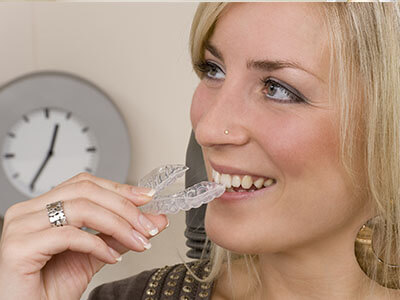
CandidPro Clear Aligners are a system of custom-made, transparent trays designed to gradually move your teeth into better alignment over time. Unlike traditional braces that use brackets and wires, these aligners apply controlled pressure to specific teeth in a planned sequence.
Your teeth aren’t fixed in place—they’re held in your jawbone by periodontal ligaments, which are tiny fibers that allow slight movement. When steady pressure is applied, the bone around the tooth reshapes in response. This process is called bone remodeling, and it’s what allows orthodontic treatment to work.
CandidPro uses digital scanning and treatment planning to map out each stage of tooth movement. You’ll wear a series of aligners, each slightly different from the last, to guide your teeth step by step into position.
What makes CandidPro different from some other aligner systems is its remote monitoring technology. Through an app and periodic scans, your dentist can track your progress without requiring as many in-office visits. That can be helpful if you have a busy schedule or prefer fewer appointments.
Modern aligner systems like CandidPro have improved significantly over the past decade. Earlier versions of clear aligners were limited in what they could correct. Today, with better materials and more precise planning, they can address a wider range of cases—including mild to moderate crowding, spacing, and some bite issues.
Not every smile—or every patient—is a good candidate for clear aligners, and being honest about that matters.
You’re likely a strong candidate if:
Patients often choose CandidPro because it fits well into a busy lifestyle. If you travel, work long hours, or simply want fewer office visits, the remote monitoring feature can make treatment more manageable.
However, there are situations where CandidPro may not be the best option.
You may not be a good candidate if:
Age can also play a role. While aligners are commonly used in adults and teens, younger patients may need more supervision to ensure compliance. Bone density and oral health also matter—if the supporting structures of your teeth aren’t stable, moving teeth can create more harm than benefit.
The process starts with a consultation. This is where your dentist evaluates your teeth, bite, gum health, and overall oral condition. Digital scans or impressions are taken to create a precise 3D model of your mouth.
From there, a custom treatment plan is created. You’ll often be able to see a digital preview of how your teeth are expected to move over time. This step is important—it sets realistic expectations about what can and cannot be achieved.
Once your aligners are ready, you’ll receive your first set along with instructions. Each aligner is typically worn for about 10–14 days before moving to the next one in the series.
At the beginning, you may feel pressure or tightness. That’s normal—it means the aligners are doing their job. Most patients describe it as mild discomfort rather than pain, and it usually fades within a few days of switching to a new tray.
You’ll need to wear your aligners for 20–22 hours per day, removing them only to eat, drink anything other than water, and brush your teeth.
CandidPro includes remote monitoring, which means you’ll use a scanning device or smartphone app to send updates to your dentist. These check-ins help ensure your teeth are moving as planned and allow adjustments if needed.
Treatment time varies, but most cases range from 6 to 18 months. Simpler cases may finish sooner, while more complex ones take longer.
At the end of treatment, you’ll receive retainers. This is not optional—without retainers, your teeth can gradually shift back toward their original positions.
The cost of CandidPro Clear Aligners in the United States typically ranges from $3,000 to $6,500.
Pricing may vary depending on several factors:
Dental insurance may partially cover orthodontic treatment, especially if it’s considered medically necessary. However, many plans have lifetime orthodontic maximums, often between $1,000 and $3,000.
If your treatment is considered cosmetic, coverage may be limited or not included.
Most dental offices offer financing options, including monthly payment plans or third-party financing. Before starting, ask:
Clear aligners are generally safe, but they are not risk-free.
Common issues include soreness, especially when switching to a new aligner. You may also notice temporary speech changes, like a slight lisp, which usually improves within a few days.
More serious risks, while less common, include:
If aligners are not worn consistently, treatment can stall or reverse. This is one of the most common reasons patients don’t get the results they expect.
Delaying treatment altogether can also have consequences. Misaligned teeth can contribute to uneven wear, jaw discomfort, and difficulty cleaning between teeth—raising your risk of cavities and gum disease over time.
Watch for warning signs during treatment, such as severe pain, swelling, or aligners that no longer fit properly. These should be addressed quickly with your dentist.
Daily care becomes more important when you’re wearing aligners.
You’ll need to brush after every meal before putting your aligners back in. Trapping food or sugar under the trays increases your risk of cavities.
Avoid eating or drinking anything other than water while wearing aligners. Beverages like coffee, soda, and wine can stain the trays and your teeth.
For the first few days after switching aligners, stick to softer foods if your teeth feel tender. Think:
After treatment, retainers are essential. Most patients are advised to wear them full-time initially, then transition to nighttime wear.
Teeth naturally want to shift over time. Retainers help maintain the results you’ve worked for.
Regular dental checkups and cleanings remain important.
Not all clear aligner experiences are the same—and the provider guiding your treatment plays a major role in your outcome.
Look for a dentist or orthodontic provider who has experience specifically with clear aligner systems like CandidPro. Ask how many cases they’ve treated and what types of results they’ve achieved.
During a consultation, you should feel like your questions are being answered clearly—not rushed or dismissed.
Ask things like:
Be cautious of providers who promise very fast results or guarantee outcomes without a thorough evaluation. Orthodontic treatment is biological—it doesn’t follow a fixed timeline for every patient.
A thoughtful, realistic approach is a better sign than an overly optimistic one.
Is CandidPro painful to wear?
You’ll likely feel pressure or tightness when starting a new aligner, but most patients describe it as manageable discomfort rather than pain.
How long does treatment usually take?
Most cases fall between 6 and 18 months depending on your needs and consistency.
What happens if I forget to wear my aligners?
Repeated inconsistency can delay treatment or affect results.
Can I eat with aligners in?
No. Remove them before eating or drinking anything other than water.
Will people notice I’m wearing them?
Most people won’t—they’re designed to be discreet.
Does insurance cover CandidPro?
Some plans offer partial orthodontic coverage; check your benefits.
What if my teeth shift after I’m done?
Retainers are essential to maintain your results.
Can I switch from braces to CandidPro?
In some cases, yes—but it depends on your situation.
By now, you have a clear picture of what CandidPro Clear Aligners involve—the benefits, the limits, the costs, and the commitment required.
If you’re considering treatment, the next step isn’t to commit—it’s to get clarity. A consultation should feel like a conversation, not a sales pitch.
Take your time asking questions. Review your options. Think about your daily routine and whether aligners fit into it.
The right decision is the one that works for your health, your lifestyle, and your expectations—not just what looks appealing at first glance.

Ready to schedule your next dental appointment or have questions about our services?
Contacting Lake Advanced Dentistry is easy! Our friendly staff is available to assist you with scheduling appointments, answering inquiries about treatment options, and addressing any concerns you may have. Whether you prefer to give us a call, send us an email, or fill out our convenient online contact form, we're here to help. Don't wait to take the first step towards achieving the smile of your dreams – reach out to us today and discover the difference personalized dental care can make.