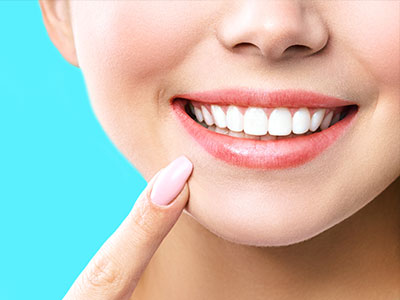
A bright, confident smile can change the way you feel about yourself and the way others see you. ZOOM! Whitening is a widely recognized professional option for safely lightening tooth color in a single visit or with convenient take-home systems. Below, you’ll find a clear, practical guide to what ZOOM! can do, how treatments work, and what to expect before, during, and after care.
ZOOM! Whitening uses a peroxide-based whitening gel that is activated by a specialized light to accelerate the breakdown of stain molecules within tooth enamel and dentin. The light itself does not bleach the teeth; rather, it speeds the chemical process so the whitening agent can be effective in a shorter time frame. This controlled activation enables predictable, uniform results across multiple teeth.
During an in-office ZOOM! session, a dental professional applies protective barriers to the gums and soft tissues, then layers the whitening gel on the tooth surfaces. The light is used in short cycles, allowing the team to monitor shade change and manage any sensitivity. Because the treatment is performed under professional supervision, adjustments can be made immediately to optimize comfort and outcome.
ZOOM! also offers professionally dispensed take-home kits that use lower-concentration gels with custom or pre-formed trays. These at-home options provide more gradual brightening and are a good choice for patients who prefer to manage their whitening regimen over several weeks while maintaining oversight from their dental provider.
Professional whitening tends to produce more noticeable and consistent results than over-the-counter products because of the concentration of whitening agents and the expertise behind application. Many patients see several shades of improvement after an in-office ZOOM! treatment, while take-home programs produce steady results with daily use. Your dental team will assess your starting shade and provide a realistic picture of likely improvement.
It’s important to understand that whitening affects natural tooth structure and will not change the color of restorations such as crowns, veneers, or bonding. A comprehensive cosmetic plan takes these limitations into account so that restorations match the new tooth shade or are replaced afterward if needed.
Individual results vary based on the type and depth of staining, enamel thickness, and lifestyle factors such as diet and tobacco use. Your provider can recommend a maintenance schedule, including occasional touch-ups, to help preserve the brightness you achieve with ZOOM!.
When performed by a dental professional, ZOOM! Whitening is considered safe for many adults. The protocol includes protective measures—such as gum shields and careful gel placement—to limit contact with soft tissues and reduce the chance of irritation. Visual monitoring throughout the process ensures that any issues are addressed promptly.
Tooth sensitivity is the most commonly reported side effect of whitening procedures. It is usually transient and can be managed with short-term changes in technique, desensitizing agents, or home-use products recommended by your dentist. Communicating any discomfort during treatment allows the clinical team to adapt the approach in real time.
Not everyone is an ideal candidate for whitening. Patients with extensive dental work, certain types of intrinsic staining, untreated dental disease, or specific medical conditions may require alternative cosmetic solutions. A professional evaluation will determine whether ZOOM! is appropriate or if another treatment offers a better, longer-lasting result.
In-office ZOOM! whitening delivers faster results in a single appointment, which appeals to those looking for immediate improvement before a special event or who prefer the convenience of a single professional visit. Because the process is completed under direct supervision, the clinician can manage comfort and achieve a consistent shade in a controlled setting.
Take-home ZOOM! kits offer flexibility and gradual whitening that fits into daily life. These kits use lower-strength gel and require wearing custom or comfortable trays for prescribed periods. This approach can be gentler for patients with sensitivity concerns and allows fine-tuning of shade over several weeks under the guidance of the dental team.
Many patients choose a combination approach—beginning with an in-office session to jump-start whitening and following up with a take-home kit for maintenance. Your provider can help you evaluate which path aligns with your goals, schedule, and sensitivity tolerance, while ensuring safe, monitored care.
Before any whitening procedure, a dental exam ensures that underlying issues such as cavities, gum disease, or loose restorations are addressed. A professional cleaning removes surface debris that can prevent even whitening and gives a clearer baseline for predicting results. Planning ahead also gives your clinician a chance to discuss expectations and aftercare strategies.
After whitening, simple habits extend the life of your results. Limiting or moderating foods and beverages that stain—such as coffee, tea, red wine, and strongly colored sauces—helps preserve brightness. Using a soft-bristled brush and continuing regular professional cleanings will keep enamel healthy and receptive to maintenance treatments.
Touch-up kits and occasional in-office refreshers can compensate for gradual color changes over time. Your dental team will recommend a personalized maintenance schedule based on how quickly your teeth tend to re-stain and your lifestyle habits. With proper care, many patients enjoy an extended period of enhanced tooth color that supports a confident smile.
If you have restorations or are considering porcelain or composite work for cosmetic reasons, timing matters. Speak with your clinician about whether to undertake restorative treatment before or after whitening so that materials can be matched to your desired final shade.
At the office of Lake Advanced Dentistry, our approach is to combine clinical experience with patient-centered care to help you achieve a natural, long-lasting improvement in tooth color. If you’re curious whether ZOOM! Whitening is right for you or want to discuss the best plan to reach your smile goals, please contact us for more information.


ZOOM! Whitening is a professional teeth whitening system that uses a peroxide-based gel to break down stain molecules within enamel and dentin. A specialized activation light is used to accelerate the chemical reaction so the whitening agent works more effectively in a shorter time. The process is performed under clinical supervision, which allows the dental team to monitor progress and manage comfort throughout the treatment.
In-office ZOOM! sessions involve protective barriers for soft tissues and timed light cycles to achieve predictable shade change. There are also professionally dispensed take-home kits that use lower-strength gel with custom or pre-formed trays for gradual brightening. Your dentist can explain which option best matches your goals and sensitivity tolerance.
An in-office ZOOM! Whitening appointment generally lasts about one to two hours, depending on the number of light cycles and any preliminary steps required. The clinician will first prepare and protect soft tissues, then apply the whitening gel and run the activation light in short intervals while checking shade changes. These controlled intervals help optimize results while giving staff a chance to respond to any discomfort.
If additional treatments such as a professional cleaning or minor restorative work are needed beforehand, the visit may take slightly longer. Some patients prefer to combine an in-office session with a take-home kit for maintenance, which your dental team can prescribe after reviewing the initial outcome. Clear communication with the clinician before scheduling ensures expectations for appointment length are accurate.
During an in-office ZOOM! Whitening treatment, a dental professional will place protective barriers over your gums and apply the whitening gel to tooth surfaces in measured layers. The activation light is used in short cycles while staff monitor shade progression and ask about any sensitivity. Because the treatment is supervised, adjustments to gel concentration or exposure time can be made immediately to help maintain comfort.
Most patients experience only mild, temporary sensitivity that resolves shortly after the appointment, although individual reactions vary. If sensitivity occurs, clinicians can apply desensitizing agents or recommend post-treatment care to reduce discomfort. The clinical setting also allows for immediate advice on aftercare and a plan for any needed follow-up touch-ups.
Take-home ZOOM! kits use lower-concentration whitening gel delivered in custom or pre-formed trays and are intended for gradual brightening over days or weeks. These kits provide flexibility to whiten at home and are often gentler for patients who have sensitivity concerns or who prefer a slower approach. Results are generally steady and can be tailored by adjusting wear time under the guidance of your dental provider.
In contrast, in-office ZOOM! delivers faster, more dramatic shade change in a single professional visit because of higher-strength gel and light activation. Many patients choose a combination approach—beginning with an in-office session to jump-start results and then using a take-home kit for maintenance. Your dental team can recommend the most appropriate protocol based on your starting shade, lifestyle, and sensitivity history.
Good candidates for ZOOM! Whitening are adults with healthy teeth and gums who want to improve the brightness of natural tooth enamel. People with extrinsic stains from foods, beverages, or tobacco typically see the best results, while certain intrinsic stains may respond less predictably. A dental exam is important to identify untreated cavities, gum disease, or loose restorations that should be addressed before whitening.
Not everyone is an ideal candidate; patients with extensive restorations, certain medical conditions, or pronounced tooth sensitivity may need alternative cosmetic solutions. At the office of Lake Advanced Dentistry, the clinical team evaluates oral health and staining type to determine whether ZOOM! is appropriate or if other treatments would deliver a better, longer-lasting outcome. That assessment helps set realistic expectations and creates a safe treatment plan.
ZOOM! Whitening is effective for extrinsic stains caused by coffee, tea, red wine, tobacco, and certain foods, as the peroxide gel breaks down surface and near-surface discoloration. It can also lighten some intrinsic stains that are accessible through the enamel, though deeper discoloration may respond more slowly. The degree of improvement depends on stain depth, enamel thickness, and individual tooth structure.
Stains caused by certain medications, developmental conditions, or internal tooth trauma can be more resistant to peroxide-based bleaching and may not reach the same level of whiteness as naturally stained enamel. In such cases, a comprehensive cosmetic plan that includes restorations like veneers or bonded materials may be recommended to achieve uniform color. Your dentist will review staining causes and tailor a treatment approach accordingly.
Peroxide-based whitening agents like those used in ZOOM! only lighten natural tooth structure and do not change the color of dental restorations such as crowns, veneers, or composite bonding. As a result, existing restorations may appear relatively darker after adjacent natural teeth are whitened. Planning is important to ensure that any visible restorations match the new shade of your teeth.
If you have restorations in a highly visible area, your clinician may advise whitening before replacing or adjusting restorations so they can be color-matched to the final tooth shade. In some cases, restorative work may be postponed until after whitening to achieve the most harmonious cosmetic result. A treatment plan that considers both bleaching and restorative timing produces the most consistent appearance.
Before a ZOOM! Whitening appointment, schedule a dental exam and professional cleaning to address cavities, gum disease, or loose restorations that could affect treatment safety and outcomes. Arriving with clean teeth gives a clearer baseline for shade assessment and helps the whitening gel work more evenly. Discuss any history of sensitivity, medication use, or special dental conditions with your clinician so they can tailor the protocol.
After treatment, avoid or limit foods and beverages that stain teeth—such as coffee, tea, red wine, and strongly colored sauces—especially for the first 48 hours when teeth are most receptive to re-staining. Use a soft-bristled toothbrush and follow any recommended desensitizing products if sensitivity occurs. Your dental team will suggest a maintenance schedule, which may include periodic take-home touch-ups or occasional in-office refreshers to prolong results.
The most commonly reported side effect of whitening procedures is transient tooth sensitivity, which typically peaks shortly after treatment and then decreases over days to weeks. Sensitivity can often be managed with short-term changes in technique, application of desensitizing agents in the office, or the use of fluoride and potassium nitrate products at home as recommended by your dentist. Communicating any discomfort during treatment allows the clinical team to adjust exposure times or gel concentrations.
Gum irritation is minimized by careful placement of protective barriers, but accidental contact with gel can cause temporary soft-tissue discomfort that resolves once the agent is removed. Patients with a history of significant sensitivity may benefit from a take-home regimen with lower-strength gel or from pre-treatment desensitizing protocols. The goal is to balance effective whitening with measures that preserve comfort and oral health.
Maintaining whitening results involves both short-term and long-term habits, including limiting intake of staining foods and beverages, avoiding tobacco, and practicing consistent oral hygiene with regular brushing and flossing. Professional cleanings at recommended intervals help remove surface buildup that can diminish brightness, and daily use of take-home touch-up trays or occasional at-home products can extend the effect. How quickly teeth re-stain varies by individual and lifestyle factors.
Your dental team can recommend a personalized maintenance schedule based on how your teeth respond and your preferred level of brightness. Some patients benefit from brief at-home touch-ups every few months, while others prefer annual in-office refreshers. If you decide to schedule a consultation or maintenance visit, call the office to discuss options and to determine the most appropriate timing for follow-up care at Lake Advanced Dentistry.
Ready to schedule your next dental appointment or have questions about our services?
Contacting Lake Advanced Dentistry is easy! Our friendly staff is available to assist you with scheduling appointments, answering inquiries about treatment options, and addressing any concerns you may have. Whether you prefer to give us a call, send us an email, or fill out our convenient online contact form, we're here to help. Don't wait to take the first step towards achieving the smile of your dreams – reach out to us today and discover the difference personalized dental care can make.