Dental anxiety affects millions of adults and children across the United States. If visits to the dentist make you tense, avoidant, or outright fearful, Lake Advanced Dentistry offers proven sedation options to make care manageable and comfortable. Our goal is to help patients get the treatment they need without the distress that prevents many people from maintaining their oral health.
Avoiding the dentist can lead to more urgent problems later—decay, infection, and the need for more invasive procedures. Sedation dentistry removes the emotional barrier so appointments become a calm, focused part of your healthcare routine. With the right approach, many patients who once postponed care are able to complete necessary work in fewer visits and leave feeling relieved rather than traumatized.
This page explains the different forms of sedation, who benefits most, what to expect during a sedated visit, and how safety and comfort are prioritized. The language here is clear and practical so you can make an informed conversation with your care team about whether sedation is the right path for you.
Sedation dentistry is not a single technique but a range of approaches designed to reduce anxiety and increase comfort during dental treatment. Depending on the method used, sedation can ease nerves, blunt awareness of time passing, and reduce sensitivity to sounds, smells, and tactile sensations that many patients find stressful. The intent is to create a relaxed state so the dentist can work efficiently while the patient remains safe and responsive as required.
For many people, sedation changes the dental experience from one of dread to one of manageable routine. People who previously needed to cancel appointments repeatedly can often complete exams, restorative work, or more complex procedures without disruptive fear. In practical terms, sedation often allows clinicians to accomplish more in a single visit, reducing the need for multiple appointments without compromising care.
Sedation also supports patients who have physical barriers to receiving treatment, such as a powerful gag reflex or hypersensitivity to pressure and temperature. By lowering reflexive responses and minimizing discomfort, sedation helps the dental team deliver precise care while keeping the patient calm and cooperative.

Sedation is appropriate for a broad spectrum of patients. It is particularly helpful for those with generalized dental anxiety or specific phobias that make even routine visits difficult. If the idea of dental work causes disproportionate fear or you have a history of avoiding care because of worry, sedation can be the bridge that restores access to preventive and restorative treatment.
Other individuals who benefit include patients facing lengthy or complex procedures, people with a strong gag reflex, and those with sensitive teeth and gums where standard local anesthesia alone may not be enough to provide a calm, comfortable experience. Sedation can also assist patients who have physical or cognitive limitations that make it hard to remain still for the duration of care.
Age itself is not necessarily a barrier, but medical history, current medications, and overall health are important factors when determining candidacy. A careful review of your health information and a conversation about your concerns allow the dental team to recommend an appropriate, individualized approach.
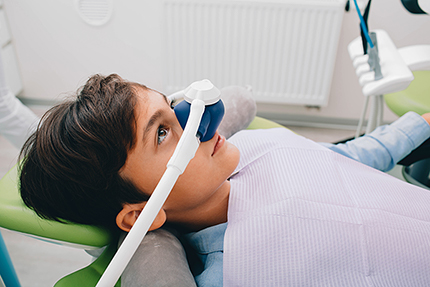
Sedation choices range from mild inhaled agents to deeper intravenous techniques. The primary goal is to match the level of sedation to the patient’s anxiety, the complexity of the procedure, and any medical considerations. Below we outline the main categories so you can understand how each one affects awareness, memory, and recovery.
All forms of sedation used in an outpatient dental setting are intended to preserve patient safety and responsiveness to voice or light touch, except for general anesthesia, which is reserved for hospital settings and specific clinical indications. Most dental visits that require sedation can be managed in the office using conscious sedation methods that are reversible and closely monitored.
Your dental team will explain which option is most suitable for you, why it’s recommended, and what preparation is needed to ensure a smooth, safe appointment. Clear communication about your medical history and any medications you take is essential to this planning.
Conscious sedation means you remain awake or in a lightly sleep-like state but are much more relaxed and less aware of the procedure. You can usually follow simple commands and maintain your own breathing and protective reflexes. Conscious sedation is commonly used in dental offices because it balances patient comfort with safety and allows for a quicker recovery than deep general anesthesia.
General anesthesia produces a complete loss of consciousness and typically requires an operating room environment with an anesthesiologist. It is reserved for cases where other forms of sedation are insufficient or when specific medical conditions necessitate hospital-based care. For routine dental procedures, conscious sedation is the preferred and standard approach.
Conscious sedation can be delivered in several forms, each with different onset times, depths of relaxation, and recovery profiles. The right method depends on the patient’s needs and the planned treatment. Below are the common techniques used in outpatient dental care.
Nitrous oxide, often called “laughing gas,” is administered through a small nasal mask and mixed with oxygen. It produces a gentle, calming effect and wears off quickly once the gas supply is stopped, making it a good option for patients who want a short-acting solution that allows same-day independence for most activities.
This method is excellent for mild to moderate anxiety and for patients who need help controlling a gag reflex or tolerating dental instruments. Because its effects reverse rapidly, recovery is fast and predictable.
Oral sedation involves taking a prescribed medication before the appointment to achieve a more pronounced state of calm. When timed correctly, the medication helps patients arrive at their visit already relaxed and often makes the procedure feel shorter and less stressful.
Patients receiving oral sedation typically require an escort to and from the appointment and should follow specific pre-visit instructions provided by the dental team to ensure safety and optimal effect.
IV sedation delivers medication directly into the bloodstream and allows the clinician to rapidly adjust the level of sedation during treatment. It is used when deeper, more precisely controlled relaxation is required for longer or more invasive procedures.
Because IV sedation affects consciousness more profoundly than other office-based options, patients must follow fasting guidelines and arrange for someone to escort them home. The dental team continuously monitors vital signs throughout the appointment to maintain safety.
Preparation varies by the sedation method chosen. For inhaled nitrous oxide, minimal preparation is usually needed. For oral or IV sedation, the dental team will provide specific instructions about eating, drinking, and medication timing to ensure a safe and predictable response to the sedative.
Before any sedated procedure, staff will review your medical history, current medications, and any allergies. Monitoring equipment is used throughout the visit to track heart rate, oxygen levels, and other vital signs. The clinician will also explain expected sensations, how long the sedation will likely last, and any recovery steps to follow at home.
After a sedated appointment, most patients experience a period of grogginess that fades over several hours. For deeper oral or IV sedation, having a responsible adult available to accompany you home and remain with you for a short time is required. The dental team will provide clear post-care instructions to support a smooth recovery and maximize the benefits of the treatment you received.
Safety is the foundation of any sedation plan. Licensed clinicians monitor patients continuously, adjust dosing as needed, and use proven protocols to reduce risk. A thorough medical review and open conversation about your anxieties, past experiences, and goals help the team tailor a sedation strategy that prioritizes safety and comfort.
Patients are encouraged to ask questions about how a given method will affect awareness, memory, and recovery, and to share any relevant medical information or medications they are taking. Clear expectations and transparent communication make the sedated visit more predictable and less stressful.
For patients who value a gentle, efficient path to completing dental care, sedation is a widely accepted aid that supports both mental comfort and clinical effectiveness. When chosen and managed appropriately, it allows patients to receive high-quality dental treatment with confidence.
At Lake Advanced Dentistry, we focus on creating a calm, safe environment that puts patients at ease while delivering precise dental care. If sedation might help you get the treatment you need, talk with our team about the options that suit your health history and comfort level.
To learn more about sedation dentistry or to discuss whether it is right for you, please contact us for additional information. Our team is happy to answer your questions and help you plan a comfortable visit.
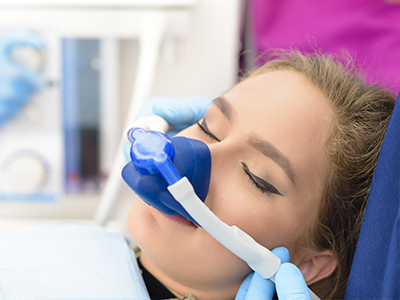

Sedation dentistry offers patients with general anxiety or fears about a dental procedure the opportunity to have a more comfortable and stress-free experience. By utilizing safe and controlled sedation techniques, the patient is eased into a state of complete relaxation before the procedure. This approach eliminates discomfort, pain, and preoperative anxiety, and typically makes patients feel more at ease post-operatively, as they have little or no memory of the actual moment-to-moment procedure.
Local anesthesia involves an injection directly into or close to the area where a procedure is being performed. While it eliminates any sensation of pain in the targeted area, it does not affect your state of mind or level of anxiety. When a patient receives sedation, additional medications to ease anxiety and promote relaxation are employed in advance of local anesthesia. In this way, both the stress and discomfort associated with a procedure are eliminated. Sedation can be administered in a variety of forms based upon patient needs and the recommendations of the dentist or dental anesthesiologist.
Choosing the most appropriate method of sedation for a procedure depends on a variety of factors such as a patient's medical history and their level of anxiety. Dental sedation can come in the form of nitrous oxide sedation, oral conscious sedation, and IV sedation. Certain patients receiving comprehensive treatment or undergoing a complex surgical procedure may require general anesthesia in a hospital setting.
Nitrous oxide, or "laughing gas," is a mild sedative, which is inhaled through a small mask over the nose. A standard in dental sedation for decades, the effects of nitrous oxide are almost immediate and wear off quickly once your procedure is completed.
Oral sedation involves the prescription of an oral medication prior to your appointment. Taken at the recommended time before your visit, oral sedation allows you to feel fully relaxed by the time you're ready for your procedure. With oral sedation, it's necessary to plan on having an escort to and from your dentist's office.
IV Sedation is administered intravenously, or directly into a vein. It is typically indicated when a deeper state of sedation is required. Your dentist will provide you with specific instructions before your visit, and require that you have an escort for the trip home from your appointment.
Sedation dentistry uses medication to help patients relax during dental procedures while maintaining safety and responsiveness. The level of sedation ranges from mild relaxation with inhaled agents to deeper states achieved with oral or intravenous medications, and your dental team selects the appropriate method based on anxiety level, procedure complexity, and medical history. The goal is to reduce fear and discomfort so necessary care can be completed efficiently and with less stress.
Medications used for sedation affect awareness, memory, and sensitivity to stimuli in predictable ways, and most office-based techniques are reversible and closely monitored. Throughout the appointment, clinicians observe vital signs and adjust dosing as needed to keep the patient comfortable and safe. Clear preprocedure planning and open communication about medications and health conditions help ensure a smooth experience.
Good candidates include people who experience significant dental anxiety, have avoided care because of fear, or require lengthy or complex dental work that would be difficult to tolerate while fully awake. Patients with a strong gag reflex, heightened sensitivity to dental stimuli, or certain physical or cognitive limitations may also benefit from sedation to enable safe, precise treatment. Age alone does not automatically exclude someone, but candidacy depends on overall health, current medications, and a careful medical review.
A thorough consultation with your dental team will evaluate your medical history, current prescriptions, and specific concerns to determine the safest option. The clinician will explain risks and benefits and may coordinate with your physician when health conditions warrant additional review. This individualized approach helps match the sedation level to the patient’s needs while prioritizing safety.
Common office-based sedation options include nitrous oxide (inhaled), oral sedation (prescription medication taken before the appointment), and intravenous (IV) sedation delivered directly into the bloodstream. Nitrous oxide provides light, rapidly reversible relaxation and is useful for mild to moderate anxiety or gag reflex control, while oral medications produce deeper sedation with a longer recovery period. IV sedation allows precise, adjustable control over depth and duration and is chosen for longer or more invasive procedures.
Your dental team will describe how each method affects awareness, memory, and recovery so you can make an informed decision. The choice depends on the planned treatment, your health profile, and how deeply sedated you need to be to remain comfortable. Safety protocols and monitoring differ slightly by method, and your clinician will review the necessary preparations for the selected approach.
IV sedation delivers medication directly into the bloodstream, allowing rapid onset and fine control of sedation depth throughout the procedure, which makes it suitable for extended or complex treatments. Oral sedation involves taking a prescribed pill before the appointment and typically produces a predictable but less adjustable level of relaxation with a longer recovery window. Nitrous oxide is inhaled, acts quickly, and reverses immediately when the gas is discontinued, making it ideal for shorter visits and same-day independence in most cases.
Because IV and oral sedation can produce deeper effects than nitrous oxide, additional precautions—such as fasting and arranging for an escort home—are commonly required. All methods are administered with continuous monitoring of vital signs, and the clinical team tailors dosing based on your response. The selection balances convenience, depth of relaxation needed, and safety considerations unique to each patient.
Sedation dentistry is generally safe when provided by trained clinicians using established protocols, appropriate patient screening, and continuous monitoring of vital signs. A complete medical history, current medication review, and preprocedure instructions reduce risks and help the team select the safest sedation option. Modern sedative medications have predictable effects and can be reversed or adjusted when necessary, which enhances safety in the office setting.
Licensing and training requirements ensure that clinicians administering sedation understand airway management, pharmacology, and emergency procedures. Monitoring equipment is used throughout the appointment to track oxygen levels, heart rate, and other vital signs, and staff are prepared to respond to changes in a patient’s condition. Open communication about your health and medications further minimizes potential complications.
Preparation varies by sedation type but commonly includes following fasting guidelines for oral and IV sedation, withholding certain medications when advised, and arranging for a responsible adult to drive you home when deeper sedation is used. Your dental team will give clear, written pre-appointment instructions that explain when to stop eating or drinking, which medications to take or avoid, and what to bring to the visit. Following these directions helps ensure predictable medication effects and reduces the risk of complications.
Be prepared to provide an accurate medical history, a list of current prescriptions and supplements, and information about prior reactions to anesthesia or sedatives. Discuss any concerns or questions you have before the day of treatment so the team can tailor the plan to your needs. Clear expectations about arrival time, recovery, and aftercare help the appointment proceed smoothly.
After sedation, most patients experience grogginess and slowed reflexes that can last several hours depending on the medication used, so resting and avoiding driving or operating heavy machinery is important until you have fully recovered. Nitrous oxide typically wears off quickly and allows most people to resume normal activities soon after the appointment, while oral and IV sedation often require an escort and a longer monitoring period before discharge. The dental team will provide specific instructions for recovery, activity restrictions, and when to resume normal medications and eating.
You may notice temporary effects such as mild dizziness, memory gaps about the procedure, or dry mouth, and these usually resolve within a day. If you experience unexpected symptoms like prolonged disorientation, difficulty breathing, or unusual swelling, contact the dental office or seek medical care promptly. Following postprocedure guidance and having a supportive escort at home improves safety and comfort during the first hours after sedation.
Common side effects are typically mild and short lived; they can include drowsiness, lightheadedness, nausea, dry mouth, or temporary memory lapses depending on the medication used. More serious complications such as respiratory depression or allergic reactions are uncommon but are taken seriously and mitigated through careful patient screening, conservative dosing, and continuous monitoring. Understanding your medical history and sharing all medications you take helps the care team anticipate and reduce risks.
Clinicians follow standard safety protocols and emergency preparedness practices to manage unexpected reactions, and they will explain potential risks during the informed-consent process. If you have underlying health conditions or take medications that interact with sedatives, additional precautions or an alternative approach may be recommended. Transparent communication and adherence to preprocedure instructions are key to minimizing side effects and ensuring a safe outcome.
Yes, sedation can significantly reduce gag reflexes and the sensitivity that makes extended treatments uncomfortable, allowing clinicians to perform thorough exams and restorative work with greater precision. By lowering involuntary responses and promoting relaxation, sedation helps patients remain still and cooperative, which is particularly valuable during procedures that require access to the back of the mouth or longer appointment times. This can often reduce the number of visits needed to complete care while improving the quality of treatment.
The dental team will recommend the level of sedation that best addresses the gag reflex or the expected duration and invasiveness of the procedure. For some patients, a combination of local anesthesia and light sedation is sufficient, while others benefit from deeper oral or IV sedation for extended comfort. Discussing past experiences and specific concerns during the consultation ensures the chosen approach supports both clinical needs and patient comfort.
Your sedation will be managed by licensed dental professionals trained in sedation techniques, airway management, and emergency response, and they will continually monitor vital signs throughout the procedure. Many dental offices require staff to maintain certifications in advanced cardiac life support and sedation-specific training, and clinicians follow evidence-based protocols to ensure safe administration. When deeper sedation is planned, the team will explain who will administer medications and how monitoring will be conducted during treatment.
The practice’s commitment to safety includes a thorough pre-procedure evaluation and clear communication about credentials and monitoring standards, so you can ask questions about who will be present and what equipment will be used. If your case requires hospital-based general anesthesia or consultation with an anesthesiologist, the dental team will coordinate that care and explain the reasons. Patients who want more background on training and oversight should feel empowered to request that information during the consultation.
Ready to schedule your next dental appointment or have questions about our services?
Contacting Lake Advanced Dentistry is easy! Our friendly staff is available to assist you with scheduling appointments, answering inquiries about treatment options, and addressing any concerns you may have. Whether you prefer to give us a call, send us an email, or fill out our convenient online contact form, we're here to help. Don't wait to take the first step towards achieving the smile of your dreams – reach out to us today and discover the difference personalized dental care can make.