Keeping your teeth and gums healthy starts at home with regular brushing and flossing, but even the most careful oral hygiene routine can miss the places where plaque and tartar hide. Professional dental cleanings are a focused, preventative service designed to remove deposits, slow disease progression, and give your mouth a thorough maintenance check. Regular visits also give your care team the opportunity to spot early changes before they become larger problems.
At first glance a cleaning might seem like a cosmetic refresh, but it serves an important clinical purpose. Plaque is a sticky film of bacteria that forms continuously on tooth surfaces; when it mineralizes into tartar it becomes difficult to remove at home. Left unchecked, these bacterial colonies contribute to cavities, gum inflammation, and periodontal disease—conditions that are much easier to manage when detected early.
Routine cleanings break up and remove those harmful deposits above and slightly below the gumline, reducing bacterial load and restoring a healthier oral environment. By interrupting the cycle of plaque accumulation, professional maintenance helps keep small issues from escalating into infections or bone loss around teeth.
Beyond removal of deposits, a cleaning visit is an opportunity for patients to receive personalized guidance on home care. A hygienist evaluates brushing and flossing technique, recommends adjustments, and can suggest products targeted to specific needs like sensitivity, dry mouth, or stain prevention.
A standard cleaning begins with a thorough assessment of your mouth. The hygienist records the condition of your gums, measures pocket depths where indicated, and examines visible restorations. This quiet evaluation helps determine whether a routine polish is sufficient or if more intensive periodontal therapy is warranted.
Next, deposits are removed using a combination of instruments. Hand scalers allow precise removal from tight spaces and around restorative work, while ultrasonic scalers use gentle vibrations and a water spray to loosen heavier buildup efficiently. Many clinicians switch between instruments to achieve the best result while minimizing discomfort.
After scaling, teeth are polished to smooth the enamel and reduce the surface roughness that attracts new plaque. A fluoride application may follow for extra protection, especially for patients at greater risk of decay. Throughout the process, the team monitors comfort and will offer topical numbing if necessary for sensitive areas.
Finally, the hygienist will review findings with you—pointing out areas that need attention, demonstrating improved brushing or flossing techniques, and outlining any follow-up care. That conversation helps you leave with a clear plan to maintain the results of your visit at home.
Not all cleanings are identical—some patients require more targeted care. For example, individuals with a history of gum disease may need scaling and root planing, a deeper cleaning that removes bacterial deposits from below the gumline and smooths root surfaces to encourage healing. These procedures are prescribed based on clinical measurements and the pattern of tissue involvement.
After periodontal treatment, many patients transition to a maintenance schedule tailored to their needs. Instead of a standard six-month interval, periodontal maintenance visits can be more frequent to control bacterial levels and monitor tissue health. Your dental team will recommend the cadence that best supports long-term stability.
Other variations in care reflect medical conditions or lifestyle factors. Patients with certain systemic health concerns, implants, or orthodontic appliances may receive adjusted cleaning techniques or additional monitoring to protect both natural teeth and prosthetic work. Treatment is always personalized to balance effectiveness with comfort.
Oral health and overall health are closely linked. Chronic inflammation in the mouth can influence inflammatory processes elsewhere in the body, so maintaining healthy gums contributes to general well-being. Regular cleanings reduce sources of persistent infection and inflammation, which is particularly important for people managing diabetes, heart conditions, or other systemic illnesses.
Monitoring during cleanings also allows early detection of conditions that may have wider health implications. For example, signs of abnormal tissue changes or persistent bleeding can prompt timely evaluation, reducing the chance of complications and enabling coordinated care with medical providers when appropriate.
Good oral hygiene supported by professional cleanings helps preserve function and comfort, making it easier to eat, speak, and enjoy daily life. Preventing tooth loss and extensive restorative work through regular maintenance preserves chewing efficiency and nutritional options, which contributes to long-term health.
Preparing for a cleaning is simple: arrive with a recent oral care routine in place and be ready to discuss any changes in your health or medications. Tell the team about new or ongoing symptoms—sensitivity, bleeding, dry mouth, or changes in how your bite feels—so they can tailor the appointment to your needs. If you experience dental anxiety, ask about comfortable options; the practice provides measures to help patients feel at ease during preventive care.
After your cleaning, you may notice a smoother, brighter sensation and mild sensitivity for a short time—both are normal. Follow the hygienist's aftercare recommendations, which typically include gentle brushing, flossing, and avoiding staining foods for a few hours. If fluoride was applied, you might be asked to wait before eating or drinking for optimal benefit.
If the team identifies areas needing additional treatment, they will explain next steps and why they matter. Prompt follow-up on recommended care helps preserve the results of the cleaning and prevents small concerns from becoming more complex. Regular visits combined with attentive home care create a lasting foundation for a healthy mouth.
Professional dental cleanings are a cornerstone of preventive care—removing harmful deposits, protecting gum and tooth health, and giving patients individualized guidance for daily maintenance. The office of Lake Advanced Dentistry is committed to providing thorough, evidence-based cleanings in a comfortable setting to help you keep your smile healthy for years to come. Contact us to learn more about our preventive services and how we can support your oral health goals.


A professional dental cleaning is a preventive procedure performed by a licensed dental hygienist or dentist to remove plaque, tartar and surface stains from teeth. The goal is to lower bacterial load, protect gum tissues and preserve tooth structure before problems develop. Cleanings complement daily brushing and flossing by reaching areas that are difficult to clean at home.
During the appointment the clinician evaluates gum health, checks restorations and records any areas of concern for further assessment. They use hand instruments and ultrasonic scalers to dislodge deposits followed by polishing to smooth enamel surfaces. A fluoride treatment may be applied for added protection when appropriate.
Although cleanings leave teeth feeling refreshed, their primary purpose is clinical rather than cosmetic. Plaque that hardens into tartar cannot be removed by brushing alone and serves as a reservoir for bacteria that cause cavities and gum inflammation. Removing these deposits interrupts the disease process and reduces the risk of infection spreading into deeper tissues.
Hygienists also screen for early signs of periodontal disease by measuring pocket depths and observing tissue response, which guides the need for deeper therapy. Education on technique and product recommendations help patients maintain improvements made during the visit. This combination of removal, measurement and coaching is why cleanings are a key preventive measure.
A typical cleaning visit begins with a clinical assessment that includes reviewing medical history and measuring gum pocket depths where indicated. The hygienist documents restorations and looks for areas of decay or tissue abnormality before instrumentation begins. This evaluation determines whether a routine cleaning is appropriate or if additional periodontal treatment is needed.
Scaling follows, using ultrasonic and hand instruments to remove deposits above and slightly below the gumline, with irrigation to flush out debris. After scaling, teeth are polished to smooth rough spots that attract new plaque, and a fluoride application may follow to strengthen enamel. Throughout the procedure the team monitors comfort and provides topical numbing or breaks as needed.
There are several types of professional cleanings depending on oral health needs, ranging from routine prophylaxis to deeper periodontal therapy. Routine prophylaxis suits patients with healthy gums, while scaling and root planing is recommended for those with periodontitis to remove subgingival bacteria and smooth root surfaces. After active periodontal treatment, many patients move to a periodontal maintenance schedule that occurs more frequently than a standard six-month interval.
Patients with implants, orthodontic appliances or certain medical conditions may require modified techniques or additional monitoring to protect prosthetic work and surrounding tissues. The care plan, including frequency and method of cleaning, should be individualized based on clinical findings and medical history. At Lake Advanced Dentistry we tailor maintenance schedules and treatment recommendations to each patient's specific needs and goals.
Dental cleanings reduce the bacterial load on teeth and gums, which lowers inflammation and the risk of cavities and periodontal breakdown. Removing tartar and plaque helps prevent the progression of disease that can lead to pocket formation, bone loss and eventual tooth loss. Early interception through maintenance reduces the need for more invasive restorative or surgical procedures later on.
Regular monitoring during cleanings also allows clinicians to detect subtle changes such as persistent bleeding, tissue recession or suspicious lesions that warrant further evaluation. Timely identification of these issues enables targeted treatment and coordination with medical providers when systemic health is a concern. This proactive approach preserves oral structures and supports general health over time.
Preparing for a cleaning is straightforward: bring an up-to-date list of medications and be prepared to report any recent changes in your health. Let the team know about symptoms like sensitivity, bleeding or dry mouth so they can address them during the visit. If you have dental anxiety, mention this when scheduling so staff can explain comfort options available during preventive care.
You do not generally need special fasting or preparations before a routine cleaning, but patients with certain medical conditions should follow the guidance of their physician and dental team. If you are undergoing specific treatments or have a prosthetic device, arrive with any documentation or instructions from other providers to ensure coordinated care. Arriving a few minutes early helps complete paperwork and allows the hygienist to begin with a full understanding of your needs.
After a cleaning many patients notice a cleaner, smoother feeling and temporary tooth sensitivity, especially if heavy deposits were removed. Mild gum tenderness or slight bleeding can occur for a short time but usually resolves within a day or two with normal home care. If fluoride was applied, follow the hygienist's instructions about waiting to eat or drink for optimal benefit.
Continue gentle brushing and flossing and avoid highly staining foods and beverages for a few hours to preserve the polished surface. If sensitivity persists beyond a few days, or if you experience severe pain or swelling, contact the office for further evaluation. Timely follow-up on any recommended restorative or periodontal treatment will help maintain the results of the cleaning.
The traditional recommendation for most patients is a dental cleaning every six months because it effectively interrupts plaque accumulation and supports routine monitoring. However, interval recommendations should be individualized based on periodontal status, restoration complexity and systemic health factors. Patients with active gum disease, certain medical conditions or extensive dental work often benefit from more frequent maintenance visits.
Your hygienist or dentist will establish a recall schedule based on clinical measurements, response to treatment and risk factors such as smoking or diabetes. Adhering to the recommended cadence and maintaining good home care optimizes long-term stability and reduces the chance of disease recurrence. Regularly scheduled visits also create opportunities for early detection of other oral health concerns.
Oral inflammation and chronic infection can influence systemic health, so dental cleanings play a role in the overall management of certain medical conditions. For example, patients with diabetes may find that controlling periodontal inflammation helps with glycemic management, while those with cardiovascular concerns benefit from reduced sources of chronic infection. Clinicians communicate findings to medical providers when coordination of care will improve outcomes.
Patients who are immunocompromised or taking medications that affect oral tissues may require adjusted cleaning protocols and closer monitoring to prevent complications. The dental team will review your health history and tailor preventive measures to minimize risk while maintaining effective plaque control. This collaborative approach balances oral care with overall medical management.
Comfort measures during cleanings include topical anesthetic, targeted technique and frequent breaks to minimize discomfort. Hygienists can adjust instrumentation, use enhanced suction and offer numbing for sensitive areas to keep the appointment tolerable. For patients with severe dental anxiety or complex needs the practice may discuss deeper sedation options for selected procedures, with appropriate medical review.
The office of Lake Advanced Dentistry emphasizes clear communication and individualized care plans so patients understand findings and next steps. After every cleaning clinicians demonstrate improved home techniques, recommend appropriate products and set a maintenance schedule based on clinical measurements. This personalized approach helps patients feel informed, comfortable and supported in preserving long-term oral health.
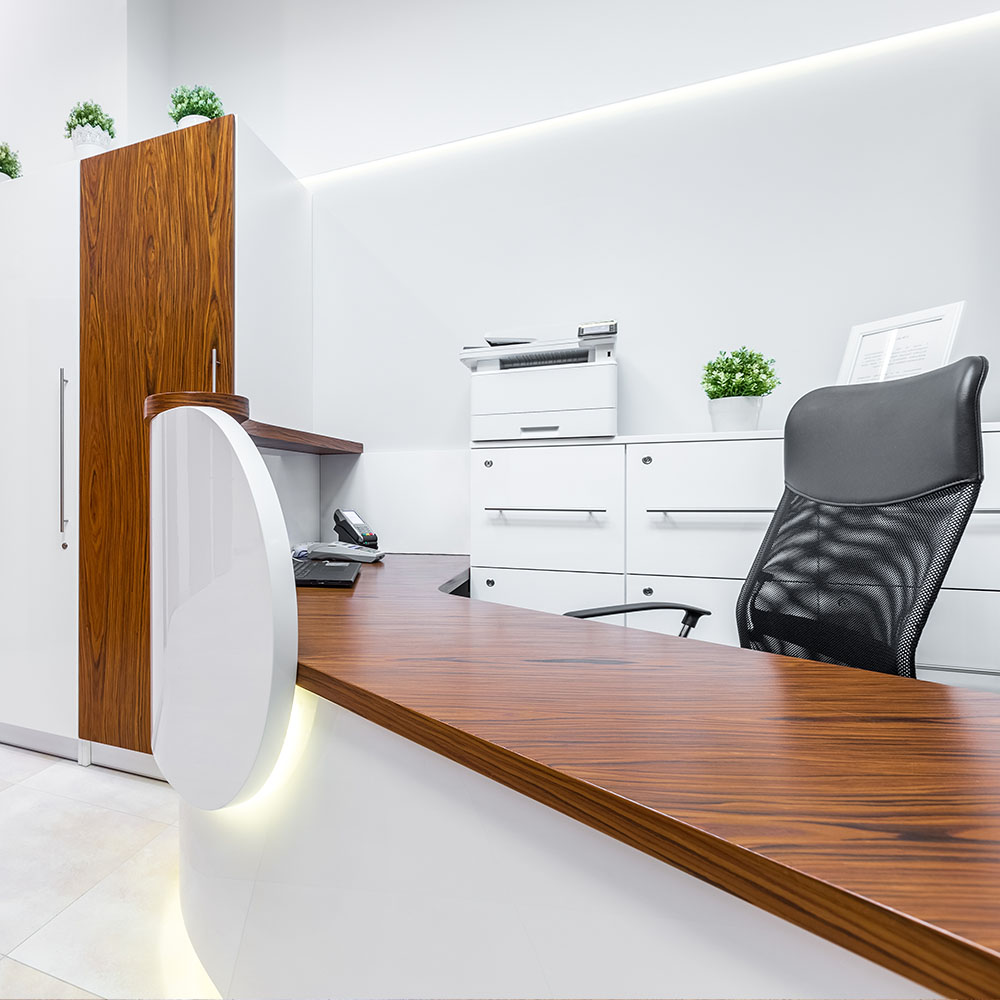
Ready to schedule your next dental appointment or have questions about our services?
Contacting Lake Advanced Dentistry is easy! Our friendly staff is available to assist you with scheduling appointments, answering inquiries about treatment options, and addressing any concerns you may have. Whether you prefer to give us a call, send us an email, or fill out our convenient online contact form, we're here to help. Don't wait to take the first step towards achieving the smile of your dreams – reach out to us today and discover the difference personalized dental care can make.