At the office of Lake Advanced Dentistry, we combine modern materials with careful planning to restore teeth that are weakened, fractured, or cosmetically compromised. Ceramic crowns are a conservative, long-lasting way to rebuild a tooth so it looks natural and performs reliably with normal chewing and speaking.
Teeth remain vulnerable despite the exceptional hardness of enamel. When a tooth has lost substantial structure from decay, trauma, large fillings, or root canal therapy, a filling may not restore adequate strength. In those situations, a full-coverage crown is often the most predictable option to protect the remaining tooth and preserve function.
Advances in dental ceramics mean crowns can now be crafted from metal-free materials that closely match the color, translucency, and surface texture of natural teeth. The sections below explain when a crown is appropriate, the advantages of modern ceramic options, how materials are chosen, the typical treatment process, and simple care steps that help crowns last for many years.
A crown is a full-coverage restoration that encases the visible portion of a tooth above the gumline. It restores form and function when a tooth is too compromised for a standard filling. Dentists recommend crowns when restoring strength and protecting the remaining tooth structure are priorities.
Common clinical situations that lead to crown treatment include teeth with extensive decay, large or broken fillings, or those that have been weakened by trauma. Teeth that have had root canal therapy typically benefit from crowns because the treatment can change the tooth’s internal structure and increase the risk of fracture over time.
Crowns are also used to restore dental implants and to anchor traditional bridges where they serve as abutments on the adjacent supporting teeth. In cosmetic cases, crowns can correct size, shape, or severe discoloration that cannot be managed with simpler treatments.
Repairing a tooth with extensive structural loss due to decay or injury
Replacing a large, failing, or fractured filling
Restoring a dental implant with a lifelike prosthetic crown
Providing full coverage for teeth that support a bridge
Strengthening a tooth after root canal therapy
Improving the appearance of misshapen, undersized, or darkly stained teeth
Resolving bite irregularities that compromise function

All-ceramic crowns are metal-free restorations made from dental porcelains or advanced ceramic materials. Their optical properties closely mimic natural enamel, so they blend seamlessly with adjacent teeth. For many patients, this creates a more lifelike and esthetic appearance than restorations that include metal.
Beyond aesthetics, contemporary ceramic materials are engineered for strength and wear resistance. Newer formulations can withstand the forces of chewing while remaining esthetically stable over time. Because they don’t contain metal, they eliminate concerns about metal allergies and the dark margin that can appear with some metal-based crowns.
Additionally, some ceramic systems require less removal of the underlying tooth structure, allowing a more conservative preparation in certain cases. Many ceramic crowns are also kinder to the surrounding soft tissues and resist staining, helping maintain a natural appearance for years.
Highly natural appearance—translucency and color match natural teeth
Conservative tooth preparation possible with some ceramic systems
Metal-free construction avoids dark margins at the gumline
Biocompatible materials that are gentle on gum tissue
Resistant to surface staining and long-term discoloration
Suitable for patients with metal sensitivities
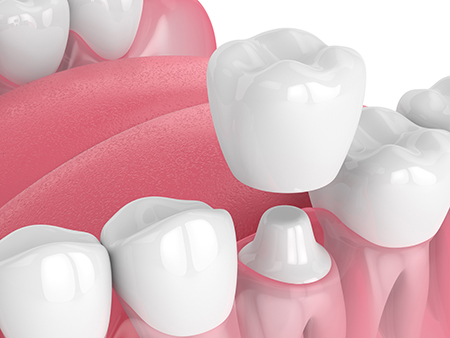
No single ceramic is ideal for every situation. The choice depends on the tooth’s location, the amount of biting force it will receive, and the aesthetic goals for the smile. Back teeth need materials with higher strength to withstand heavy chewing forces, while front teeth often prioritize translucency and fine color matching.
Popular options include lithium disilicate, known for its combination of strength and esthetics; leucite-reinforced porcelains, which are often used for veneers and anterior restorations; and zirconia, which offers exceptional durability and is available in both solid and high-translucent formulations. Your dentist evaluates functional demands and appearance goals to recommend the most appropriate material.
When strength is critical, monolithic zirconia may be selected and carefully shaped to balance durability with a natural look. When the focus is on maximum translucency, layered lithium disilicate or high-translucent zirconia can deliver superior esthetics. The decision is always personalized to each patient’s bite, opposing teeth, and smile design.
Lithium disilicate porcelain — strong and esthetic for many anterior and posterior crowns
Leucite-reinforced pressable porcelain — excellent for highly esthetic front teeth
Monolithic (solid) zirconia — high strength for posterior teeth and bruxism cases
High-translucent zirconia — blends strength with improved optical properties for visible teeth

Treatment begins with a thorough exam and diagnostic planning. This includes evaluating tooth structure, X-rays, and a discussion of cosmetic goals and functional needs. When a crown is indicated, the next step is preparing the tooth by removing any decay and shaping the remaining structure to receive the restoration.
Impressions or digital scans capture the tooth and bite relationships. Many practices use CAD/CAM technology to design and mill crowns with excellent fit and precision; in other workflows, a skilled dental laboratory fabricates the final restoration from impressions and detailed instructions. A temporary crown protects the prepared tooth while the final crown is being made.
At the placement visit, the dentist checks fit, contacts, and shade, then cements the crown with materials chosen for the specific ceramic type. Proper adjustment of the bite and polishing ensure a comfortable, natural feel. Post-placement, routine check-ups help confirm that the crown is functioning as intended and that the surrounding gum tissue remains healthy.
Crowns are durable, but like natural teeth they benefit from consistent care. Daily brushing with a soft-bristle brush and flossing at the crown margin help prevent decay at the tooth-restoration interface and maintain healthy gums. Avoiding overly aggressive brushing techniques preserves both the crown and the surrounding soft tissues.
For patients who clench or grind their teeth, a custom night guard can protect crowns from excessive wear and reduce the risk of fracture. Regular dental visits allow your provider to evaluate the crown’s integrity, make minor adjustments if needed, and address any emerging concerns before they become major problems.
If a crown chips, becomes loose, or the bite feels different, contact the dental office for an evaluation. In many cases, adjustments or repairs can restore comfort and function without full replacement. With sensible habits and professional maintenance, ceramic crowns can remain a successful long-term solution.
At Lake Advanced Dentistry, our approach to ceramic restorations focuses on selecting the right material and laboratory technique for each patient’s needs, then following precise clinical protocols to deliver reliable, natural-looking results.
In summary, ceramic crowns offer a versatile, esthetic, and biocompatible option to restore teeth that need full coverage. If you would like more information about whether a ceramic crown is suitable for you, please contact us to discuss your options and schedule an evaluation.


While a dental filling is designed to replace a portion of a decayed or damaged tooth, a dental crown offers full coverage to restore the tooth’s entire outer surface. A well-fitting dental crown not only protects and strengthens the underlying tooth structure, but it also restores the tooth’s appearance and function.
The procedure for getting an all-ceramic crown is much like the procedure for getting any other type of crown. In all cases, the tooth needs to be prepared, an impression taken, and a permanent crown cemented into place. A single all-ceramic crown can typically be fabricated over the course of two visits. However, with CAD/CAM technology, a same-day crown can be fabricated from start to finish in a single visit. With the first approach, a temporary crown is typically worn until the second visit, when the permanent restoration is placed. As with every treatment plan, our office will explain your best options in care.
As the name implies, a temporary crown is only worn for a short time until the permanent crown is placed. A temporary crown is typically fabricated from durable tooth-colored dental acrylics. While designed to protect the underlying tooth between appointments, and until your new permanent crown gets placed, a temporary crown is also fabricated to look like a natural tooth and maintain the look of your smile.
While you should feel better having an attractive and functional tooth to restore your smile, your tooth may feel a little sensitive following treatment. This initial sensitivity will subside. We take great care to make sure your new restoration looks great, fits well, and your bite is perfect. However, we’re always happy to make any minor adjustments to ensure your comfort.
With some exceptions, teeth with root canal procedures are typically restored and protected from further damage with a full-coverage crown. Based on what’s best for your smile, our office will recommend the most appropriate restoration to maintain the health and longevity of your tooth following a root canal procedure.
A dental crown is a long-term restoration that, if properly cared for, can serve you well for many years to come. Once your new crown is placed, it requires the same brushing, flossing, and periodic checkups as your natural teeth. Avoid biting your fingernails and chewing on hard or sticky objects such as ice, pencils, or taffy, which can damage or loosen your crown. Remember, clenching and grinding your teeth puts excessive pressure on both natural teeth and dental restorations. Unless treated, this habit can compromise the longevity and integrity of your dental work, including crowns.
Although your new all-ceramic crown restores the tooth's strength, form, and function, you can still develop dental disease in the absence of proper care. To prevent gum disease and tooth decay, it’s essential to brush and floss as instructed and see our office for routine checkups, cleanings, and care.
How long a dental crown lasts depends on various factors, including your level of oral care, diet, and oral habits. While the standard answer is that dental crowns can last anywhere from 5 to 15 years, existing literature confirms that most dental crowns remain in place at 15 to 20 years.
At the office of Lake Advanced Dentistry, we strive to provide the highest quality of care to address all your dental needs. Once we’ve had the opportunity to examine your smile, we can give you a clear picture of any dental issues that are present, along with a quote for how much treatment will be. The cost of dental crowns can vary a little, depending on the type of crown and its location. Our goals are to provide the highest quality of care and help patients begin treatment without additional financial stress or delay. We’re always happy to answer all your questions on dental insurance coverage, available financing, and payment plans.
Coverage for all-ceramic crowns depends on your dental insurance plan. Today, many dental plans provide some level of coverage for all-ceramic crowns. At the office of Lake Advanced Dentistry, we work with patients to optimize their dental benefits and get the care they need to maintain healthy and beautiful smiles!
Ready to schedule your next dental appointment or have questions about our services?
Contacting Lake Advanced Dentistry is easy! Our friendly staff is available to assist you with scheduling appointments, answering inquiries about treatment options, and addressing any concerns you may have. Whether you prefer to give us a call, send us an email, or fill out our convenient online contact form, we're here to help. Don't wait to take the first step towards achieving the smile of your dreams – reach out to us today and discover the difference personalized dental care can make.